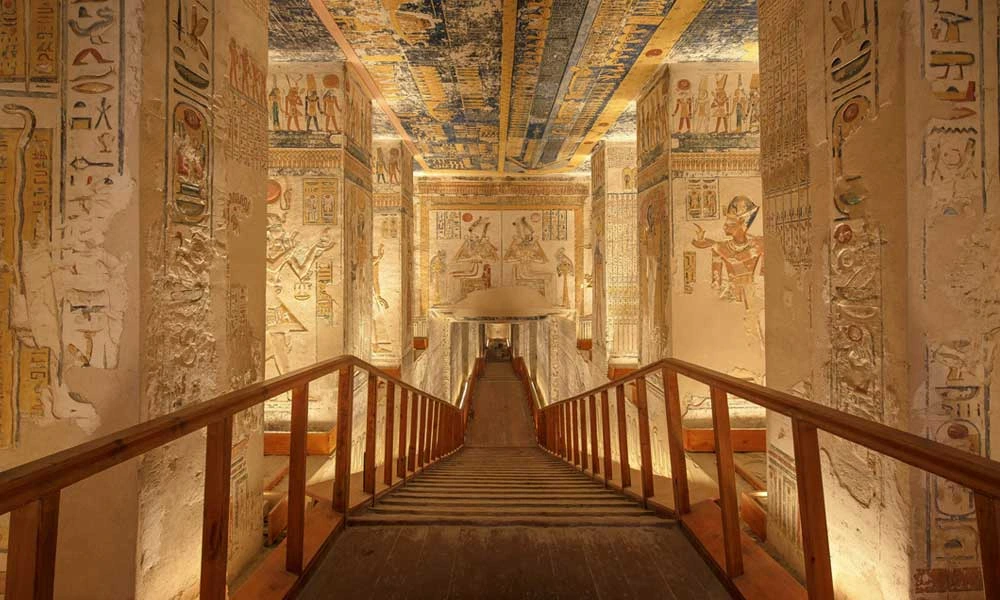
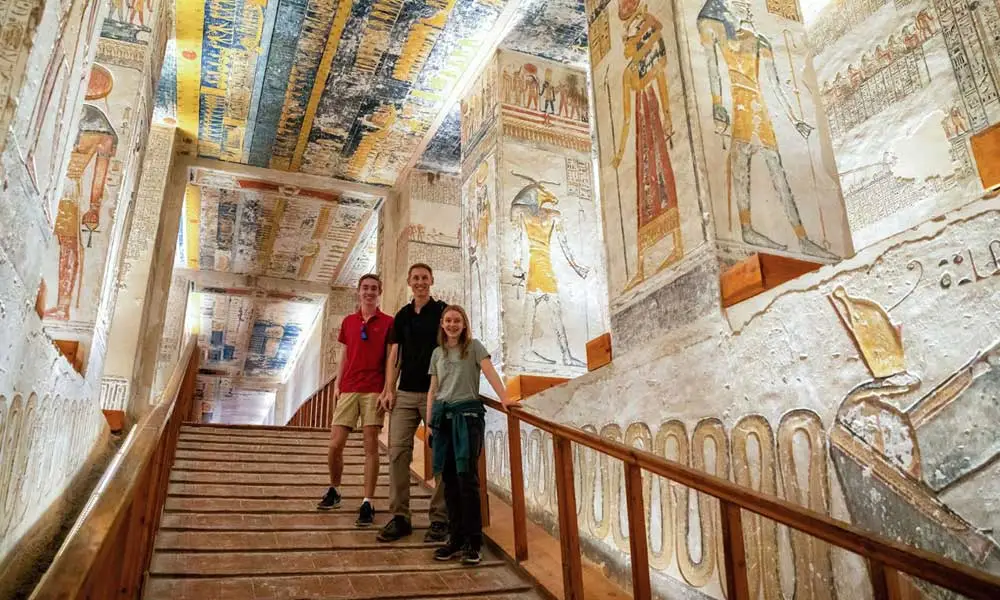
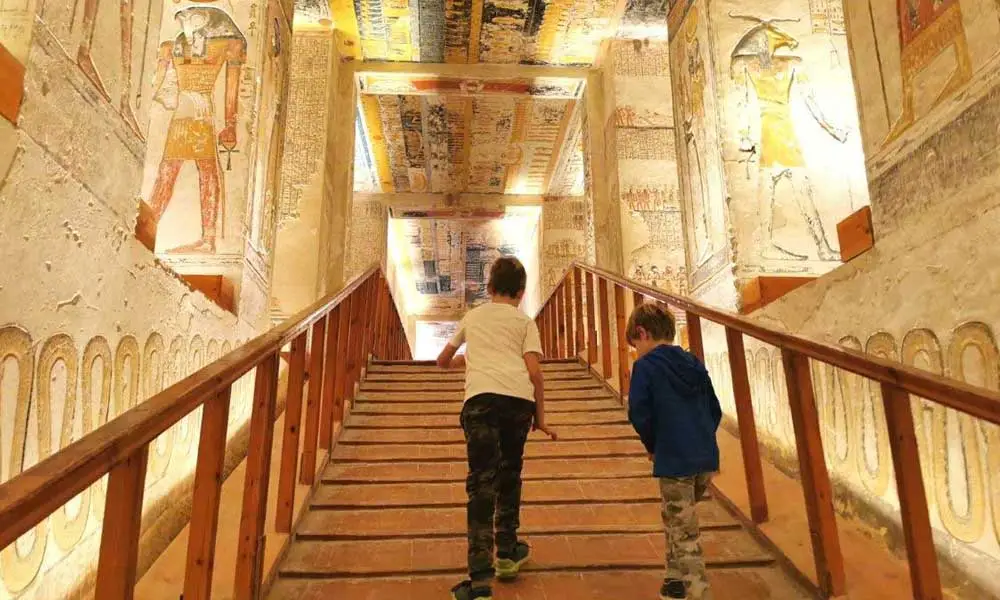
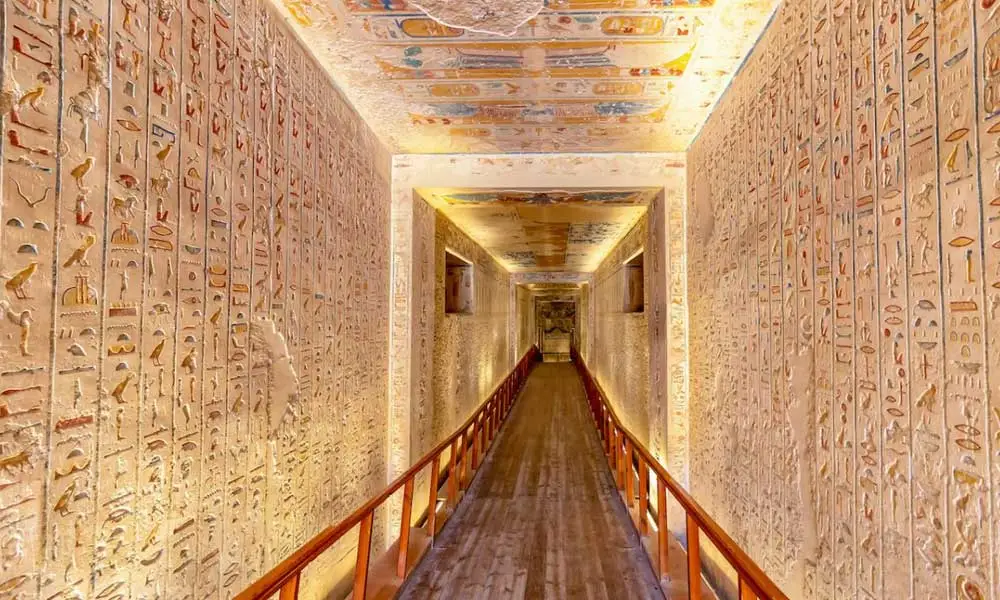
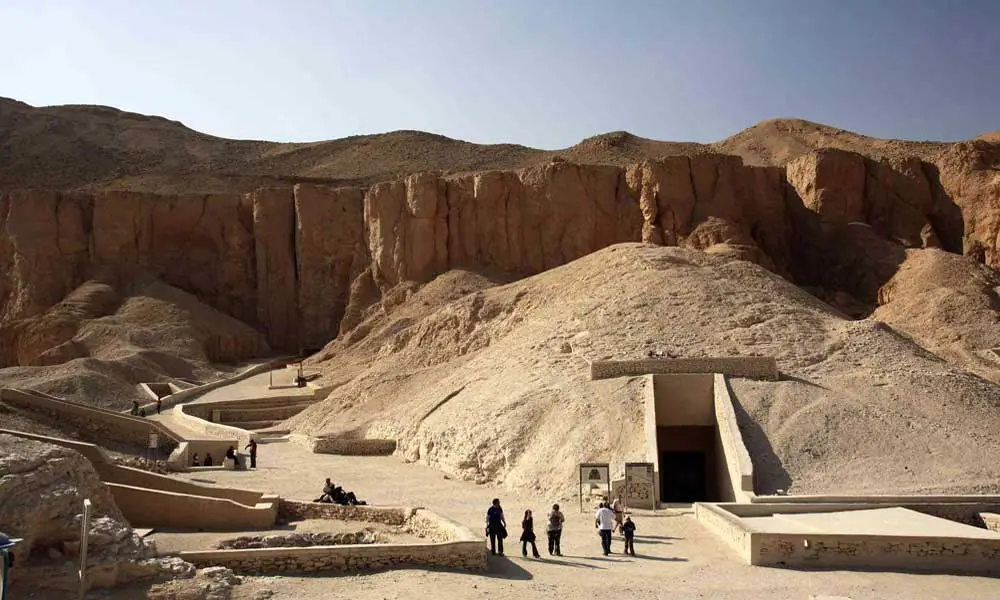
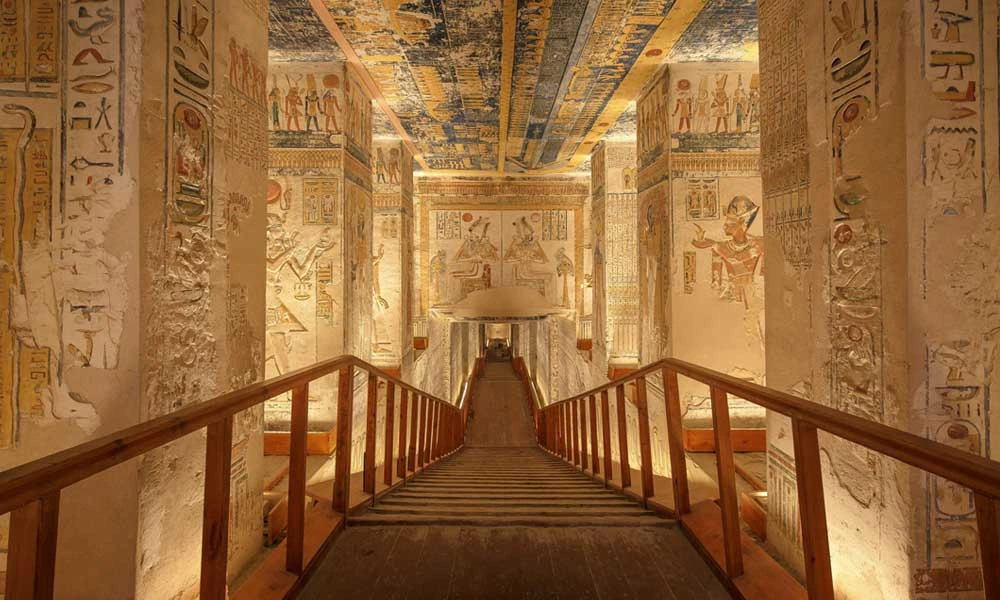
The Valley of the Kings is an Egyptian valley where, for approximately 500 years, rock-cut tombs were dug for the New Kingdom's pharaohs and powerful nobles. The wadi is divided into two valleys: the East Valley, which contain...
The Valley of the Kings is an Egyptian valley where, for approximately 500 years, rock-cut tombs were dug for the New Kingdom's pharaohs and powerful nobles. The wadi is divided into two valleys: the East Valley, which contains most of the royal tombs, and the West Valley, also known as the Valley of Monkeys. The valley has been a critical focus of recent Egyptological investigations for the last two centuries. Before this, it was a popular Egypt tour destination in antiquity. The region depicts the evolution of ancient Egyptian research, beginning with antiquity hunting and ending with the scientific excavation of the whole Theban Necropolis.
Despite the excavation and analysis described below, only eleven of the tombs have been thoroughly documented. The majority of the tombs are not available to the public; however, 18 of them can be opened at the same time, and officials periodically close those that are open for repair work. The tour guides are no longer permitted to teach inside the tombs, and guests are required to move through the tombs quietly and in a single line. This is done to reduce the amount of time spent in the tombs and to keep crowds from destroying the decoration's surfaces. Be prepared to explore one of the famous Egypt activities in and around the Valley of the Kings.
The royal tombs in the Valley of the Kings are well-known and exploring these tombs is one of the famous things to do in Egypt. UNESCO has classified these exquisitely decorated graves as a World Heritage Site. The kings, queens, and nobles of the New Kingdom (1500-1070 B.C.) were buried in this valley, the world's most spectacular burial place, for almost a thousand years.
©Copyright 2026 Travejar.com All rights reserved.